
One-stop comprehensive solution provider
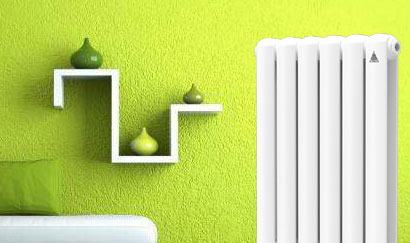
Radiators, as home decoration products, many people don't know where to start when purchasing, and there are also many misunderstandings in purchasing. Today, experts from Rubens, a major radiator brand, will explain to you the methods and steps for purchasing radiators:
Step 1: Choose the radiator material
The mainstream radiator materials on the market now are: cast iron radiator, copper-aluminum composite radiator, low-carbon steel radiator, aluminum alloy radiator, steel-aluminum composite radiator, pure copper radiator and other six materials. Each material has different advantages and disadvantages:
Cast iron radiator: The advantages are corrosion resistance and low price; the disadvantages are ugly style, bulky and occupying space;
Copper-aluminum composite radiator: The advantages are corrosion resistance, novel and beautiful style, light weight, and fast heat dissipation; the disadvantages are high price and low hardness;
Low carbon steel radiator: The advantages are beautiful appearance, affordable price, large water storage capacity, good thermal insulation performance and pressure resistance; the disadvantage is that it is easily oxidized and corroded;
Aluminum alloy radiator: Aluminum alloy radiator mainly has two types: high pressure and tensile aluminum alloy welding. The advantages are low price, good thermal conductivity and fast heat dissipation; the disadvantages are that it is afraid of alkaline water corrosion and oxidation;
Steel-aluminum composite radiator: The advantages are beautiful style, good heat dissipation and corrosion resistance; the disadvantage is large heat loss;
Pure copper radiator: The advantages are excellent thermal conductivity and strong corrosion resistance; the disadvantages are high cost, fewer styles and few manufacturers.
Step 2: Check the community heating system
Radiator heating systems are generally divided into three categories: water radiators, steam radiators, and superconducting radiators.
These three categories need to be selected based on the environment of your own heating system. If it is central heating or independent heating with a boiler at home, you can only choose water-heating radiators. This type of radiator heating system is more common, and it is easier to purchase and install, with less heat loss and better heating effect; if it is steam heating, you need to choose a specific radiator. Generally, water-heating radiators cannot be used for this type of heating system. There are professional steam-heating radiators on the market, but their steam heating temperature is higher, which is more dangerous, and the heat loss is larger. There are also fewer manufacturers, and it is inconvenient to install and purchase. They have been gradually cancelled; if it is a superconducting radiator, its heat conductor is a superconducting liquid, which can be heated by electricity. However, its superconducting radiator is not yet mature, and generally has problems after 2-3 years of use, and has a short lifespan.
Rubens, a big brand of radiators, recommends: If it is central heating, you can choose steel radiators, and if it is self-heating, choose copper-aluminum composite radiators. This is because central heating is intermittent heating (burning for a while and stopping for a while), and the water storage capacity of steel radiators is 5 times larger than that of copper-aluminum composite radiators. When the heating stops, the larger the water storage capacity of the heating system, the longer the heat preservation time. Self-heating is self-heating, and when the temperature reaches a certain level, the heating will stop. The wall thickness of copper-aluminum composite radiators is thin, the heat dissipation is fast, it is more energy-saving, and has good corrosion resistance.
Step 3: When choosing a radiator, pay attention to brand and performance
The performance of radiators depends on their material selection and manufacturing process, and these are different for different brands of radiator manufacturers. There are thousands of radiator brands on the market, and there are only a dozen very good brands. These brands have many years of rich experience in the production and development of radiators. Their materials are also relatively high-end, and the quality of various raw materials is good. The production process is strictly controlled and rigorous and complex, thus ensuring the quality of radiators. Rubens Radiator is a brand with high cost performance among the big radiator brands. The manufacturer is in line with the Shandong people's character of doing things. The technology comes from Europe. The production technology of steel radiators is higher than that of all domestic manufacturers. The process is also reasonable, and the product quality is very stable. Each product has unique features that are difficult for others to surpass. The price is not high, which is very suitable for the consumption level of Chinese people. It was the first in the industry to propose "ten-year warranty for steel radiators and twenty-year warranty for copper-aluminum composites", which is enough to show its extraordinary strength. There is a large insurance of 10 million yuan every year as a guarantee, and there is no worry after sales!
When decorating your home, if you follow the above "three steps" when purchasing radiators, you will definitely be able to choose high-quality, low-priced radiator products.
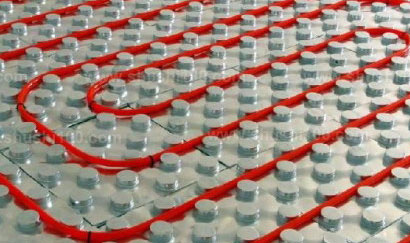
Floor heating is the abbreviation of floor radiation heating. It uses the entire floor as a radiator and evenly heats the entire floor through the heat medium i
Radiators, as home decoration products, many people don't know where to start when purchasing, and there are also many misunderstandings in purchasing. Today, e
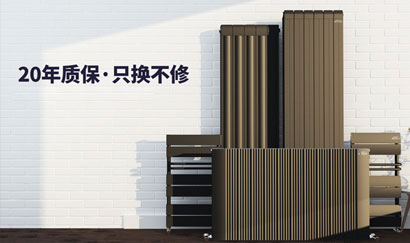
The topic of heating in the south continues to heat up, from the report "Heating Market in 100 Cities in the South: Model, Potential and Impact" to the "Heating