
One-stop comprehensive solution provider
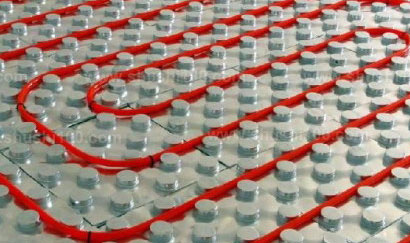
Floor heating is the abbreviation of floor radiation heating. It uses the entire floor as a radiator and evenly heats the entire floor through the heat medium in the floor radiation layer. It utilizes the ground's own heat storage and the law of upward radiation to conduct heat from bottom to top to achieve the purpose of heating.
Compared with traditional heating methods, floor radiant heating has many advantages such as comfort, energy saving and environmental protection. Because of so many advantages, more and more households are beginning to adopt this heating method, but how to better install floor heating is also a subject worth studying. Now I will share with you some of my experience and insights summarized during the construction process. I am not very knowledgeable, so if there is anything wrong or needs to be improved, please point it out to me, let's make progress together! !
1. Wet installation
The wet installation method is the most mature installation technology for water-heating floor heating at present. It is also relatively cheap and is the leading technology in the domestic floor heating market. The so-called wet installation method refers to burying the floor heating pipes with concrete, and then laying the floor, tiles and other floor materials on the concrete layer. This layer of concrete not only protects and fixes the water heating pipes, but also serves as the main channel for heat transfer. The concrete layer can evenly distribute the heat and reduce the occurrence of local overheating or overcooling.
2. Dry installation
In order to solve the problems of traditional wet installation methods, such as high construction difficulty, long construction period, and difficult maintenance after installation, dry installation methods came into being. Dry installation no longer uses concrete gravel layers to fix water and heating pipes, but uses special plastic templates to clamp the pipes in the bulges of the templates, which is very convenient for laying. The floor is laid directly on the plastic template, and the hot water transfers heat to the floor through the air and the template, and then the floor heats the air.
3. Construction requirements for floor heating
In floor heating construction, an insulation layer should be laid under the floor heating pipes on the upper part of the floor adjacent to the unheated room and the upper part of the residential floor, as well as around the outer wall of the radiant heating floor. When the insulation layer is made of polystyrene foam board, the thickness should meet the following requirements:
The insulation layer is 20mm, and the filling layer above the geothermal pipe should be filled and covered with fine stone concrete. The filling layer on the heating pipe should be laid with a 2mm diameter steel mesh with a spacing of 100-150mm. At this time, the filling layer should not be less than 30mm. Inspection, commissioning and acceptance of floor heating The floor heating radiation heating system starts with the pressure test after the heating pipeline is laid and the heat medium distribution device is installed, and the pressure maintenance construction is completed after the concrete filling layer is cured.
1. Before the water pressure test, safe and effective fixing and protection measures should be taken for the test pressure pipes and components.
2. The test pressure should not be less than the system static pressure plus 0.3Mpa, but not higher than 0.6Mpa.
3. When conducting water pressure tests in winter, reliable anti-freeze measures should be taken.
The water pressure test should be carried out according to the following steps:
1. Slowly inject water through the water distributor and exhaust the air in the pipe at the same time.
2. After filling with water, conduct a watertightness check.
3. Use a manual pump to slowly increase the pressure.
4. After increasing the pressure to the specified test force, stop the pressure, stabilize the pressure for 1 hour, and observe whether there is any water leakage.
5. After stabilizing the pressure for 1 hour, increase the pressure to the specified test pressure value. If the pressure drop within 15 minutes does not exceed 0.05Mpa and there is no leakage, it is qualified.
It is strictly forbidden to operate the floor heating system without debugging. The debugging work shall be carried out by the construction unit in cooperation with the project user unit. During the initial heating during debugging, the temperature should be raised slowly, and the water temperature should be controlled within the range of 25-30℃ for about 20 hours. The water temperature can be brought to the normal range within 24 hours.
4. Completion acceptance of floor heating:
A. The following conditions shall be met during the final acceptance:
1. Construction drawings and design change documents.
2. Intermediate debugging records and hidden engineering records.
B. The completion acceptance standards must meet the following requirements before acceptance can be passed:
1. The completion quality complies with the design requirements and relevant provisions of this code.
2. There is no leakage in pipes and components.
3. The valve opens flexibly and closes tightly.
C. Acceptance, commissioning and final acceptance should all be recorded and signed documents filed.
Construction basis
Relevant national standards and technical regulations for low-temperature hot water floor radiant heating promulgated by various provinces and cities.
Construction should meet the conditions
1. The design drawings and other technical documents are complete, and the construction team of the floor heating construction party and the decoration company have conducted technical exchanges;
2. Temporary facilities for storage of construction water, electricity and materials;
3. The wall has been plastered and the ground leveling layer has been done;
4. Check the pipelines, pipe fittings and supporting materials according to the design requirements and all meet the requirements.
Construction procedures and technical requirements
The following is the construction procedure for dry floor installation
1. Install the boiler, determine the location (specified by the customer/designed by the engineering staff), and obtain the customer's approval;
2. Install the water distributor and fix it on the wall or in a special box, with the water distributor at the bottom and the water collector at the top;
3. Connect the water distributor to the gas boiler;
4. Lay the insulation material on the bottom of the leveling layer, lay it flat and overlap it tightly. There should be no other damage except the nails passing through;
5. Laying dry floor modules
6. Lay PEX heating pipes. The distance between floor heating radiant pipes is 20cm, the entire laying height is 5cm, and there are no joints in the floor;
7. The floor heating pipe is connected to the water distributor, and a special clamp is used to connect the end of the heating pipe. A sleeve is set to prevent local damage and increase the aesthetics;
8. After the floor heating pipe is firmly connected to the water distributor, check each passage one by one and remove foreign matter in the pipe;
9. Lay the special cover plate for dry floor heating and fix it with staples.
5. What kind of floor material should be used for floor heating?
① Floor tiles and marble. Good heat transfer effect.
② Composite flooring and solid wood composite flooring. They have better heat transfer effect and better visual effect.
③ It is not advisable to lay ordinary wooden floors and carpets because the heat transfer effect is poor and ordinary wooden floors are in danger of deformation due to heat.
6. What are the key components of floor heating?
① Heat source: fully automatic low-temperature hot water heating boiler;
② Water distributor and connecting pipes;
③ Ground engineering (including pipelines and insulation, etc.);
④ Control system (including room thermostat, thermoelectric control valve and temperature control center, flow regulating device, etc.);
7. When using floor radiant heating, are there any special requirements for furniture arrangement?
① When floor heating is used, furniture should not be placed close to the floor, as this is not conducive to radiant heat transfer and may cause the room temperature to fall short of the design value. The bottom of the furniture should be about 5 cm above the floor.
② The load-bearing capacity of the floor should not be too large, otherwise appropriate measures should be taken in the design.
8. What should we pay attention to when accepting the floor heating system?
① All equipment and materials should be produced by regular manufacturers and have certificates of conformity and quality assurance;
② Professional inspection of design and construction. The designer should be a HVAC professional, and the construction team should be a professional construction team;
③ There should be strict construction and installation procedures and quality control measures;
④ The boiler should be installed firmly and reliably;
⑤ The insulation polystyrene board should be placed stably, the insulation foam pad should be laid flat and without wrinkles, and the pipeline layout should be straight with reasonable spacing;
⑥ After the pipeline is installed, a pressure test should be carried out (test pressure ≥ 6×10⁵Pa);
⑦ After the construction is completed, the service provider shall provide complete project files.
9. How to choose special floor heating floor
The working conditions of low-temperature floor heating are more complicated. The heating period is more than four months each year. The service life of wooden flooring as a floor material is relatively long (more than 10 years). Wooden flooring must undergo repeated heating, cooling, expansion, and shrinkage, which requires the floor to have better performance.
Solid wood flooring is made of logs through simple drying. Due to the anisotropic characteristics of wood, it is a very difficult to tame material with extremely unstable performance. With the changes in the natural environment, it will shrink, crack, swell and other deformation phenomena. In Beijing, where the four seasons are distinct, the temperature and humidity change significantly, it is dry in winter and humid in summer, and the natural climate changes significantly, solid wood flooring will also have some unexpected quality accidents such as cracking and seams in non-floor heating conditions; the probability of problems in floor heating conditions is much higher than that in non-floor heating conditions. It is recommended that users think twice before choosing solid wood flooring. Ordinary laminate flooring is made of fast-growing wood that is crushed into sawdust and adhesives and pressed under high pressure. It absorbs water and expands significantly. In summer, you can see laminate flooring with arches or cracks in shopping malls, offices, homes and other places. Under floor heating conditions, the minimum moisture content of the floor is less than 4.5%, while the moisture content is higher than 20% after absorbing moisture in summer, so the phenomenon of arching or cracks in laminate flooring is everywhere.
10. How to choose floor heating floor?
When purchasing floor heating floors, you should pay attention to the following aspects.
First, choose a dedicated floor heating floor. In Japan, there is a strict boundary between floor heating floors and non-floor heating floors. Non-floor heating floors are best not used for floor heating. All wooden floors on the market dare to say that they can be used for floor heating. Many factory technicians have never seen what floor heating looks like, let alone the working principle of floor heating, but they dare to tell customers that they can be used for floor heating. It is true that many non-floor heating floors can be used for floor heating in the short term without major problems, but we never buy floors for only two or three years. Generally, customers hope that they will last for more than ten years, so we must choose the floor heating-specific one.
Pay attention to the thickness of the floor. The working principle of floor heating is to transfer heat energy through low-temperature radiation, and the wood fiber pores have a heat-insulating effect. The floor cannot be too thick. When the thickness exceeds 14 mm, it is difficult for the radiant heat energy to reach the surface of the floor, the heat energy utilization rate is low, the heating effect is poor, and it is not economical. If the floor is too thin, the heat storage effect is too poor, which is easy to cause indoor temperature differences.
Pay attention to the floor with moderate thermal resistance coefficient. The thermal resistance coefficient is proportional to the energy storage and inversely proportional to the heat transfer effect. The larger the thermal resistance coefficient, the worse the heat transfer effect of the floor.
Pay attention to the climate and ambient humidity of the place of use, and choose floors with a small deformation coefficient as floor heating floors.
Note that the floor surface must be resistant to cracking. Underfloor heating floors will soon develop cracks and other problems during long-term expansion and contraction due to heat and cold. If the floor heating floor does not have the function of resisting cracking, the floor will soon develop cracks and other problems.
Is the operating cost of electric heating high?
The specific heat load, external heat gain and internal heat gain of each house will be different, and the comprehensive performance of insulation materials, reflective materials and hot water pipes will be different, as well as the rationality of heat load calculation, which will greatly affect the operating cost of floor heating. Through scientific design and the use of standard materials, users in Shanghai area usually pay about 0.15-0.25 yuan per square meter per day (natural gas or coal gas). If the design is unreasonable or low-standard materials are used, the actual cost will be reduced, but the operating cost will be greatly increased.
Floor heating is the abbreviation of floor radiation heating. It uses the entire floor as a radiator and evenly heats the entire floor through the heat medium i

Radiators, as home decoration products, many people don't know where to start when purchasing, and there are also many misunderstandings in purchasing. Today, e

The topic of heating in the south continues to heat up, from the report "Heating Market in 100 Cities in the South: Model, Potential and Impact" to the "Heating